Lucy and David's story
The only way Lucy and David could afford to stay in their jobs, keep their kids in their current school and get a bigger home that would comfortably accommodate them all was to become “rentvestors”.
What do you do when your kids are growing up, needing more space and privacy, but no matter how you slice it, you can’t afford a bigger home?
This was a question before Lucy and David, whose daughter and son were rapidly outgrowing their shared bedroom. The Inner West-based early childhood educator and nurse spent months looking at the listings, wondering if they could trade in their mortgaged 2-bedroom unit for a larger home, but in Sydney's hyper-inflated housing market with skyrocketing auction prices, they stood no chance.
The only way Lucy and David could afford to stay in their jobs, keep their kids in their current school and get a bigger home that would comfortably accommodate them all was to become “rentvestors”.
Rentvesting is an increasingly common solution for people who either can’t afford to buy a home big enough for their needs or can't afford to buy one where they need to live. People with properties in their name who can't secure a larger mortgage, or who are unwilling to uproot their lives to chase lower property prices, tend to put their homes on the rental market and use the rental income to pay for their own rental.
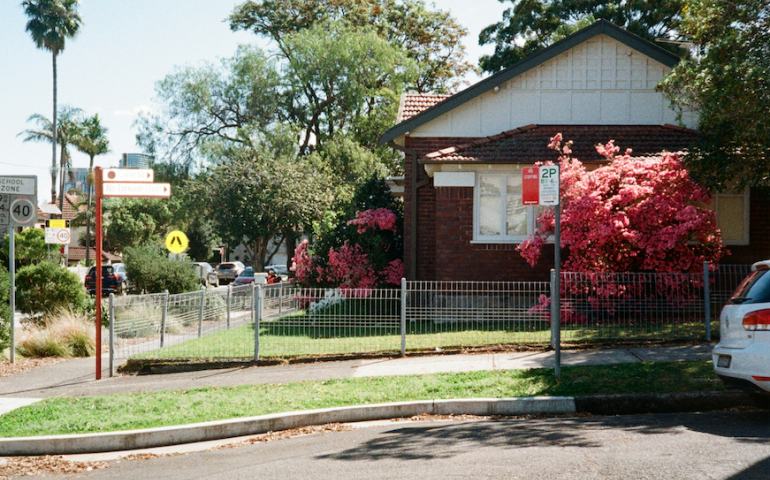
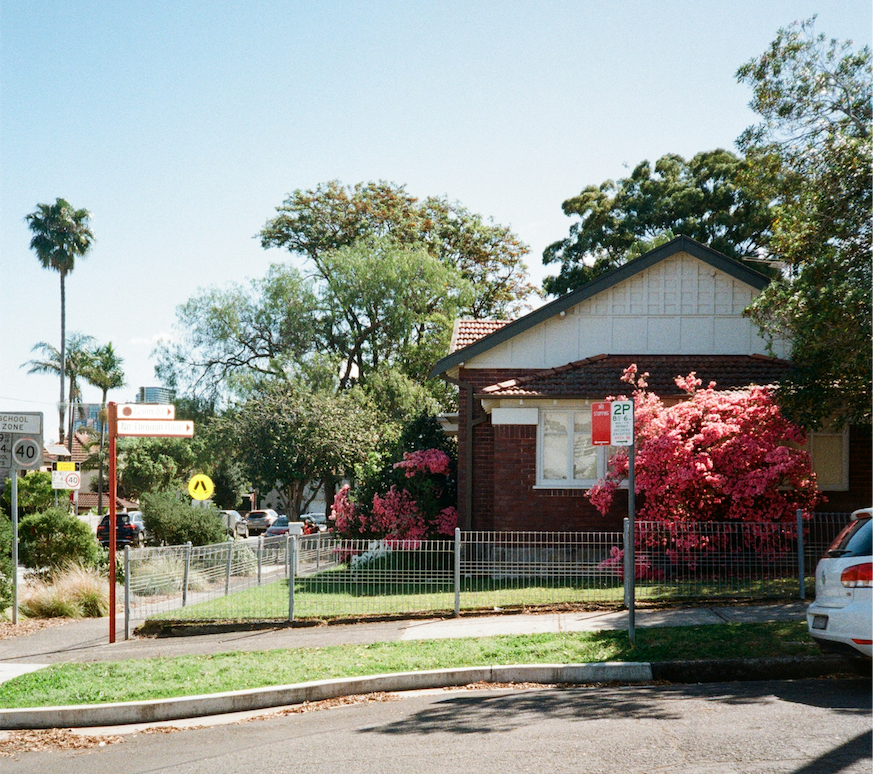
For Lucy and David, that meant swapping a 2-bedder in Dulwich Hill for a slightly run-down 3-bedroom house in Ashfield. She’s not keen on having to finance her family’s housing needs by being a landlord, but feels the underregulated market has left them little choice to gain the extra space for their growing children.
It was important to give each of our children their own space. Our daughter is about to enter puberty and is aching to have her own room, some privacy, says Lucy, reflecting on why they decided to make the change.
Having 3 bedrooms is such a huge advantage. Everyone has more room to breathe; we can have our own space. And it's been lovely to have the garden and eat dinners under the awning in the backyard.
I recognise how privileged we are to be able to do this, says Lucy. We both have jobs and have the resources that enable us to live in this house and have our needs met. It’s tricky, though, staying on top of all the costs, and it makes me wonder: if it’s this hard for us, how hard must it be to find a suitable home for people in less fortunate circumstances?
Rentvesting has been the answer to the family’s space and comfort issues, but it is a balancing act.
They are still having to make ends meet by working additional shifts and watching their expenses, but what if the rent on their house goes up? Lucy isn’t sure she could justify raising the rent on the apartment much higher than it is at the moment, and she worries what they would have to give up to afford to stay in their current rental.
We will have to see what happens. Right now, we are on a one-year lease. If the rent is increased, we will have to recalculate and reassess, but we may have to look for another place.